Heat Pump Solutions: The Perfect Answer for All-Season Comfort
Heat pump services provide an efficient approach to maintaining indoor comfort throughout the year. By utilizing a sustainable refrigeration cycle, these units are capable of both heating and cooling spaces while minimizing energy costs. Their positive effect on indoor air quality combined with potential energy rebates makes them more attractive than ever. Nevertheless, a thorough understanding of their setup and maintenance is critical to getting the most out of them. What factors should homeowners consider when choosing the right heat pump for their needs?
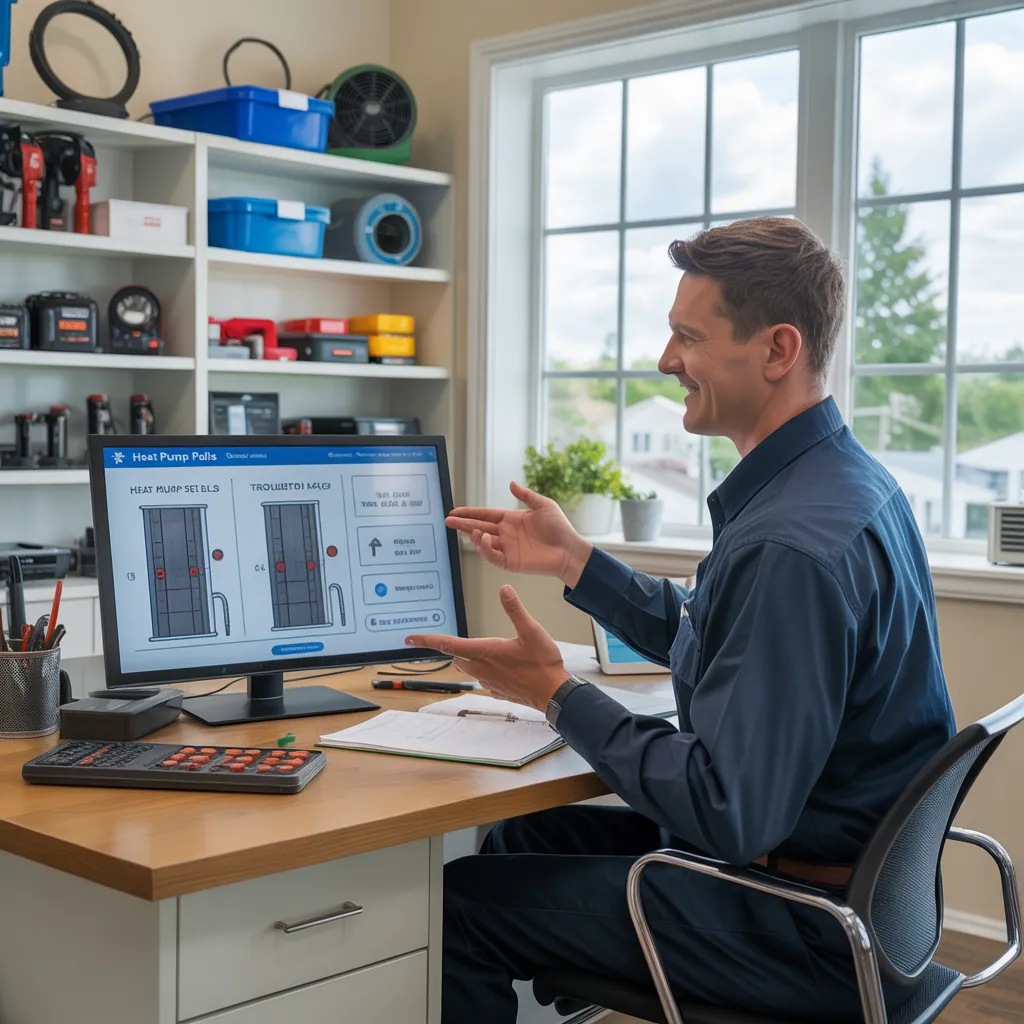
How Heat Pumps Work and Why They Matter
Although many people may not be familiar with how heat pumps truly function, understanding how they operate reveals their importance in contemporary climate control systems. Heat pumps work by moving heat instead of producing it, utilizing a refrigeration cycle similar to that found in air conditioners. During winter, they extract heat from the outside air, even in cold temperatures, and transfer it indoors. On the other hand, in warmer seasons, they reverse their operation, drawing out indoor heat and dispersing it outside.
This combined capability renders heat pumps highly adaptable, delivering both heating and cooling capabilities. They generally operate on electricity, offering a more energy-efficient alternative to traditional heating systems, including furnaces. By utilizing naturally occurring heat from the environment, heat pumps effectively cut energy consumption while also reducing harmful greenhouse gas emissions, in line with current environmental priorities. Therefore, their operation is essential in promoting sustainable energy practices while enhancing indoor comfort year-round.
Major Advantages of Heat Pump Services
What advantages do heat pump services offer? Primarily, they provide enhanced energy efficiency, considerably cutting utility bills relative to standard heating and cooling systems. Since they move heat instead of producing it, heat pumps function more sustainably, making them an environmentally friendly option. Furthermore, these systems provide flexible climate control, reliably providing warmth in the winter and cooling comfort in the summer.
Scheduled maintenance services secure peak performance, prolonging the life of the unit and reducing the likelihood of sudden failures. Moreover, heat pumps have the ability to elevate indoor air quality by eliminating contaminants and humidity, establishing a cleaner and healthier living space.
Moreover, the installation of heat pump solutions commonly qualifies homeowners for energy rebates and financial incentives, making them a financially smart investment. Overall, heat pump services deliver a efficient, economical, and environmentally conscious approach for comfort throughout the year.
Steps for Installing a Heat Pump
Installing a heat pump requires thorough evaluation of multiple aspects. Critical factors include selecting an appropriate site, determining electrical specifications, and refining placement to enhance effectiveness. Evaluating these elements ensures a successful installation and better functionality of the heat pump setup.
Site Selection Factors
Selecting the best location for a heat pump installation is critical for optimizing efficiency and performance. The area should be absent of obstructions that could block airflow, such as buildings, fences, or trees. Maintaining adequate room around the unit enables maintenance and improves operational efficiency. In addition, selecting a site with optimal sun exposure can improve heat absorption during colder months. The ground conditions must also be adequate; a level, stable surface is vital for the unit's longevity. Besides, proximity to existing heating systems or ductwork can simplify installation and minimize costs. Ultimately, consideration of noise levels is essential, as heat pumps can create sound, affecting nearby living areas. Proper site selection plays a key role in the heat pump's lifespan and effectiveness.
Overview of Electrical Requirements
Comprehending the power requirements is essential for a successful heat pump installation. Proper electrical setup guarantees the system functions efficiently and safely. First, the main service panel must be evaluated to ensure it can accommodate the heat pump's power requirements. Generally, a standalone circuit is needed, often requiring a 240-volt supply, depending on the unit's requirements. An appropriately sized breaker, typically 20 to 60 amps, should be installed to avoid overloading. Moreover, qualified electricians should be consulted to confirm compliance with local codes explore now and regulations. Adequate grounding and wiring practices are vital for maximum efficiency and safety. Addressing these electrical considerations will support a seamless installation and extend the durability of the heat pump system.
Heat Pump Placement Tips
Proper placement of a heat pump considerably influences its overall effectiveness. To achieve ideal results, it is important to install the outdoor unit in a well-aerated location, away from obstacles such as fences or bushes. Ideally, the unit should be raised to avoid water buildup during heavy rain. Furthermore, positioning the indoor unit centrally improves air circulation and temperature control throughout the space. Ascertain that both units are evenly positioned to promote efficient drainage and lower noise levels. Take into account local zoning laws and noise restrictions when selecting a location. Finally, refrain from positioning the heat pump close to windows or vulnerable zones to minimize disturbances and maximize comfort. Following these guidelines will encourage durability and efficient functioning of the heat pump system.
Heat Pump Upkeep Tips for Peak Performance
Maintaining ideal performance of a heat pump necessitates consistent care and periodic servicing. Essential steps involve swapping out filters at regular intervals to ensure proper air circulation and scheduling annual professional inspections for comprehensive review. Such practices can significantly improve the longevity and effectiveness of the system.
Routine Filter Replacement
Routine filter changes are essential for optimizing the performance and longevity of heat pumps. Filters collect dust, allergens, and contaminants, keeping them from moving through the system. Once filters get blocked, airflow becomes limited, resulting in higher energy usage and diminished heating or cooling performance. Consistently replacing filters can significantly enhance indoor air quality and ensure optimal performance. For best results, filters should be inspected monthly and changed every three months, or more often in heavy-use conditions. This basic maintenance step not only boosts system efficiency but also lengthens the operational life of the heat pump. Homeowners ought to review their unit's manual for particular filter instructions, securing a well-kept system that functions reliably all year long.
Annual Professional Inspections
Annual expert inspections are vital for maintaining peak efficiency of heat pumps. These evaluations help identify potential issues before they escalate, saving homeowners from costly repairs and inefficient operation. In the course of an inspection, certified technicians examine key components, including refrigerant levels, electrical connections, and overall system performance. They additionally clean essential components, which leads to enhanced air quality and greater energy efficiency. Arranging these evaluations at least once annually ensures that the heat pump runs efficiently across all seasons, boosting comfort and lowering energy expenses. Consistent upkeep not only extends the service life of the unit but also ensures adherence to warranty conditions. Therefore, annual professional inspections are a wise investment for any heat pump owner seeking reliable performance.
Major Heat Pump Problems and How to Address Them
While heat pumps are known for their efficiency and versatility, they are susceptible to a range of issues that could compromise their operation. One prevalent concern is poor heating or cooling performance, frequently attributed to unclean filters or restricted ductwork. Routine upkeep, such as replacing filters and cleaning ducts, can address this problem. Another frequent concern is unusual noises, which could signal loose fittings or deteriorating components. Pinpointing where these sounds originate and tightening or swapping out parts can eliminate the problem.
Furthermore, refrigerant leaks can negatively impact performance. If low refrigerant levels are suspected, a certified technician should be consulted for repairs. Finally, frequent cycling could indicate a faulty thermostat or an oversized system, resulting in inefficient operation. Adjusting the thermostat settings or consulting with a professional for system assessment can help restore balance. Resolving these problems in a timely manner ensures optimal performance and prolongs the lifespan of the heat pump.
A Comparison of Heat Pumps and Traditional HVAC Systems
When comparing HVAC options, the distinctions between heat pumps and traditional HVAC systems are clear. Heat pumps operate by moving heat rather than creating it, making them more environmentally friendly. By comparison, traditional HVAC systems rely on electric resistance or combustion to produce heat. This key distinction permits heat pumps to offer both heating and cooling capabilities, a adaptability that traditional systems cannot match.
Moreover, heat pumps generally have a longer service life and demand less maintenance as opposed to conventional heating and cooling systems. They also function more silently, supporting a comfortable indoor environment. Even so, standard systems may perform better in very cold climates, where heat pumps may have difficulty to gather sufficient heat. When all is considered, the comparison of heat pumps and conventional HVAC systems depends on specific environmental conditions, energy conservation goals, and personal heating and cooling requirements, making careful consideration essential for property owners.
Picking the Ideal Heat Pump for Your Home
How do homeowners go about selecting the most appropriate heat pump for their situation? Selecting the right heat pump involves evaluating several key factors. To begin, homeowners need to evaluate the square footage of their home, because the heat pump's capacity should correspond to the home's total area for the best results. Moreover, geographic weather conditions are an essential consideration; regions with extreme temperatures may require more robust systems.
Energy efficiency metrics, such as SEER (Seasonal Energy Efficiency Ratio) and HSPF (Heating Seasonal Performance Factor), should also be taken into account. Higher ratings usually reflect lower energy expenses. Homeowners should also evaluate the type of heat pump—air-source, geothermal, or ductless—depending on their individual installation needs and budget.
In conclusion, speaking with a experienced HVAC technician can provide tailored advice and guarantee correct installation, ultimately enhancing the residence's comfort and energy efficiency year-round.
Frequently Asked Questions
Can Heat Pumps Remain Energy-Efficient During Extreme Weather Conditions?
Heat pumps can be effective and energy-saving in extreme climate conditions, but their effectiveness might diminish in extremely cold temperatures. Adequate sizing, proper installation, and supplementary heating alternatives improve overall efficiency, ensuring effective temperature regulation throughout the year.
What Is the Typical Lifespan of Heat Pumps?
Heat pumps are designed to last between 15 to 20 years, depending on maintenance, usage, and environmental factors. Consistent upkeep and servicing can help extend their longevity, ensuring peak performance throughout their operational years in various climates.
Are Heat Pumps Effective in Colder Climates?
Absolutely, heat pumps can operate in colder climates, though their efficiency may diminish as temperatures drop. Modern models are built to function effectively even in below-zero weather, offering heat year-round.
What Is the Average Cost of Heat Pump Installation?
The typical cost of installing a heat pump usually falls from $3,000 to $8,000, depending on factors like the type of system, the size of the home, and local labor costs. Other costs may involve necessary permits and adjustments to current infrastructure.
Are Special Electrical Setups Required for Heat Pumps?
That's correct, heat pumps frequently need specialized electrical installations to handle their electrical needs. This may include individual circuits and correct voltage arrangements, guaranteeing optimal performance and safety during operation while complying with regional electrical standards.